Kanagawa | Statistics
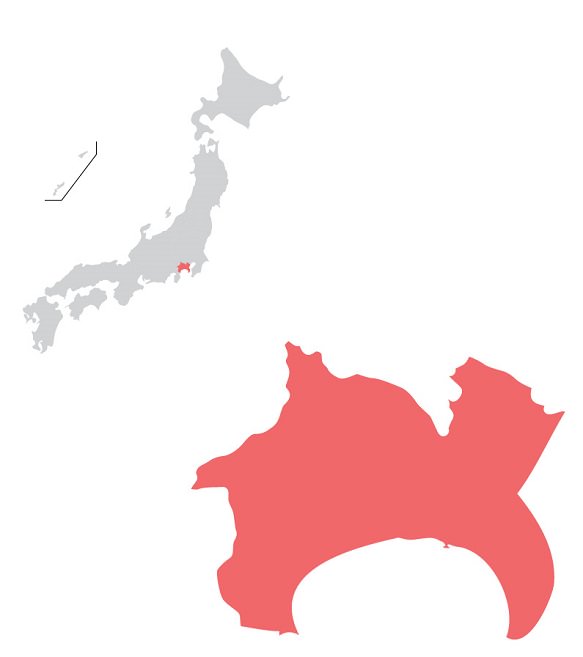
Region: Kanto
Capital: Yokohama
Population (approx.): 9.072 million (2012)
Area: 933 sq miles
Area Rank: 43
Kanagawa | Destinations
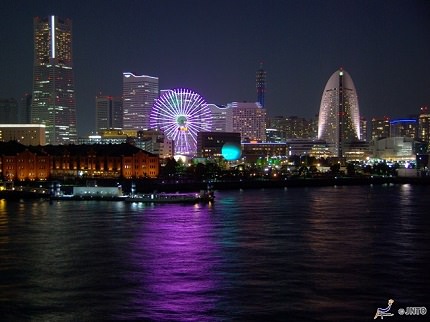
Kanagawa Prefecture is located in the Kanto region, south of Tokyo. Its capital Yokohama is Japan’s second largest city and a popular tourist destination along with Kamakura and Hakone. Yokohama Chinatown is Japan’s largest Chinatown and one of the largest Chinatowns in the world. Yokohama Chinatown is famous for its narrow colorful streets filled with shops, restaurants, and street food stands serving delicious street food. Hakkeijima Sea Paradise, an amusement park consisting one of Japan’s most popular aquarium, is also a popular spot in Yokohama. The Cup Noodles Museum and Ramen Museum are also interesting museums where you can create your own cup noodle and enjoy ramen from different regions of Japan, respectively.Kamakura is a treasure trove of eccentric temples and interesting shrines and one of Japan’s most historical places. It houses the most famous bronze statue of the Great Buddha of Kamakura. Hakone has been one of Japan's most popular hot spring resorts for centuries and is popular for its beautiful views of Mt. Fuji. Owakudani in Hakone is also a popular tourist site for its crater that developed after volcanic eruptions of Mt. Hakone. At Owakudani, black eggs which were blackened by the sulfur in the hot water they are cooked in are very popular. Eating these eggs have been believed to extend one’s life by seven years.
Kanagawa | Local Food and Produce
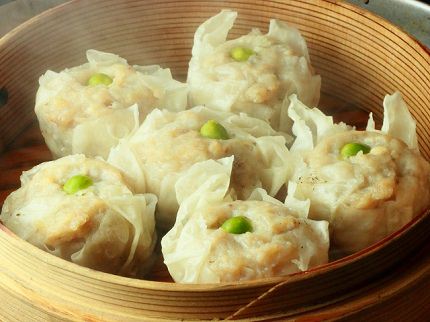
Due to its large Chinatown, shumai, or traditional Chinese dumplings, are popular in Kanagawa. Kiyoken is a top shumai producer in Yokohama and its boxed shumai is Yokohama's top souvenir. Kiyoken's shumai features juicy pork and scallops and is sold in Yokohama and its train stations. Shumai bentos are popular among those traveling to and through Yokohama.
In Enoshima, a small offshore island of Kanagawa, "nama shirasu don" attracts many tourists to the island. "Nama" means raw and "shirasu" are baby sardines. These raw baby sardines are placed on a bowl of rice and scarfed down. The translucent little fish are served fresh, with soy sauce, green onions and sometimes an egg. Shirasu can also be served boiled, which then changes into a milky white color and gains a fluffy texture.
Kanagawa | Arts and Crafts
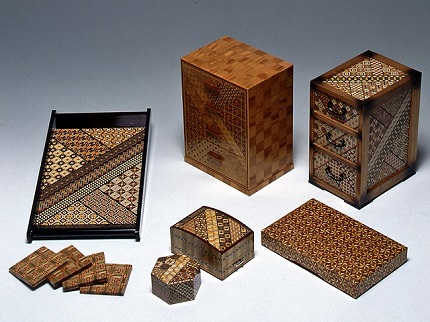
Hakone-yosegi zaiku is traditional woodwork from Kanagawa featuring geometric shapes and designs. It was developed by Nihei Ishikawa during the late Edo Period and continues to be made even two centuries later. The beauty of the wood is preserved by keeping its original color, making no two identical products. Hakone-yosegi zaiku is used to create various kinds of products such as boxes, trays, drawers, and even a "himitsu bako", or secret box. The himitsu bako appears to be an ordinary box with no locks or openings, and can only be opened by those who know the secret, tricky procedure of opening the specific box.
Kanagawa | Festivals and Events
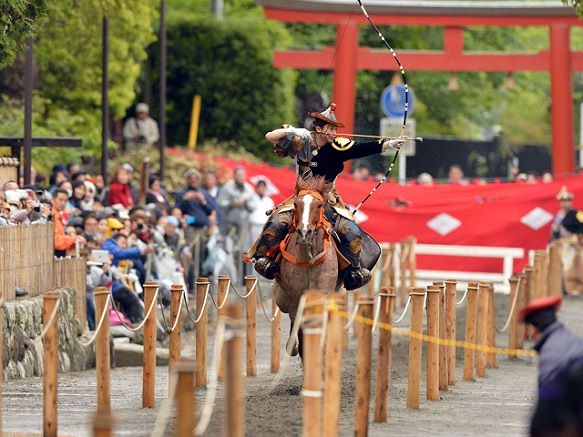
Kamakura Festival is a 3 day festival that reenacts Kamakura when Yoritomo Minamoto found the town. The festival as two main highlights: shizuka no mai dance and yabusame.
Shizuka was a princess who loved Minamoto no Yoshitsune. She was forced to abandon him by Yoritomo's orders. She then performed a dance, what became known as the shizuka no mai dance, to express her feelings for Yoshitsune. This dance angered Yoritomo and resulted in her imprisonment and her children's deaths.
Yabusame is the reenactment of samurais on horseback, shooting arrows at targets. The event is said to have been Yoritomo's idea to strengthen and improve his warriors' skills.