Saitama | Statistics
Region: Kanto
Capital: Saitama
Population (approx.): 7.15 million (2012)
Area: 1,466 sq miles
Area Rank: 39
Saitama | Destinations
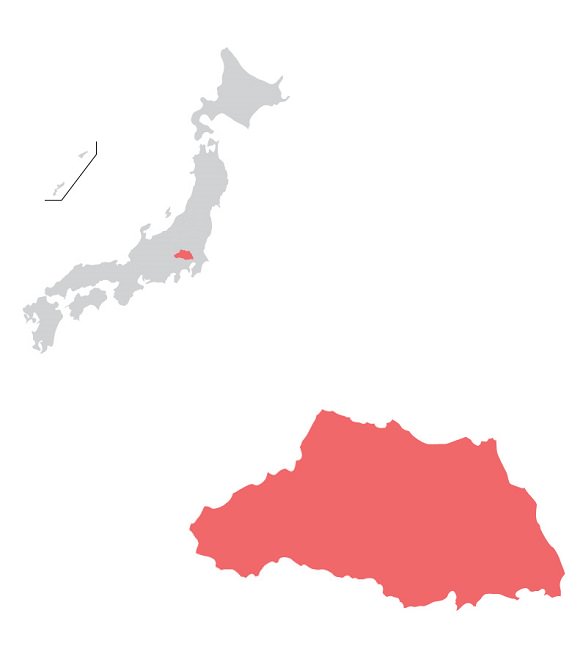
Saitama Prefecture is located in the Kanto region, north of Tokyo. Much of Saitama’s southeastern cities are considered Tokyo’s suburb, with the prefecture being a part of the Greater Tokyo Area. Saitama is mostly a residential area rather than a tourist destination but has several interesting places. The Omiya Bonsai Village in Saitama is a great place to visit to view carious kinds of bonsais and educate oneself of the interesting bonsai culture. Saitama’s other historical building is the Kitain Temple in Kawagoe City. It features the only remaining palace buildings of the former Edo castle. It was saved when shogun Tokugawa Iemitsu ordered this building to be moved to Kawagoe from the Edo Castle during reconstruction after a fire once destroyed Kitain. Kitain also features Gohyaku Rakan, 540 stone statues of disciples of Buddha. It is interesting to note that not two of these 540 statues are alike, for each has its own posture and expression.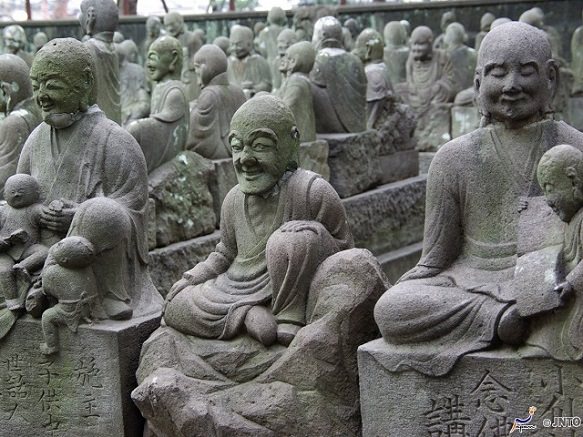
Saitama | Local Food and Produce
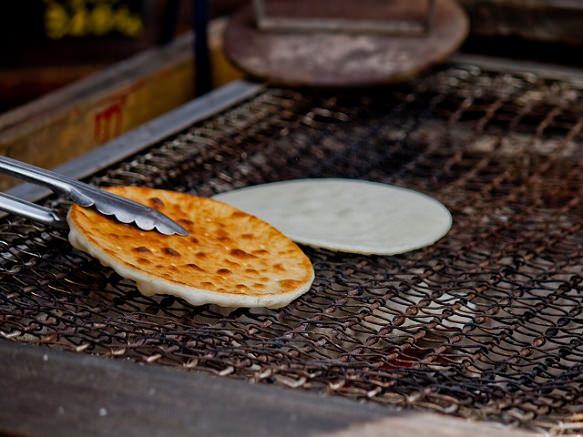
One of Saitama’s local foods is the “soka senbei”, or soka rice crackers. Soka senbei is made from rice flour, baked, and brushed with soy sauce. The crisp, light rice crackers have a slightly and perfectly burnt scent of soy sauce. Soka senbei are produced in Soka City, Saitama and are popular souvenirs throughout Japan.
A popular local dish in Saitama is "hiyajiru", cold noodle soup. Hiyajiru is made by first mixing crushed sesame seeds with miso and seasoning it with sugar. The mixture is then diluted with cold water or dashi. Shiso, ginger, and cucumbers are then added to the soup and enjoyed with cold udon noodles. Hiyajiru is a popular dish to cool down with during the hot summer months.
Saitama | Arts and Crafts
Japan has a long history of doll making, and approximately half of the dolls are produced in Saitama. Saitama's copious paulownia wood and pure water to dissolve the paint allows for its major doll production. Of these dolls, the Hina dolls are especially popular. Hina dolls are displayed on March 3rd, Hinamatsuri, also known as Girl's Day or Doll's Day. A set of dolls representing the Empress, Emperor, attendants, and musicians in traditional court dresses are displayed on this special day. Hina dolls were first created in belief that the dolls would contain the bad spirits, away from the families.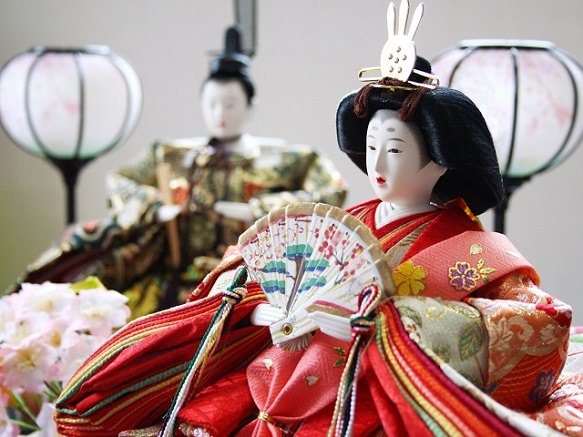
Saitama | Festivals and Events
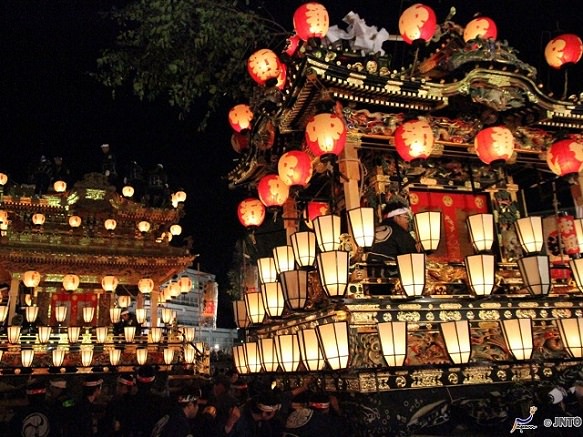
Chichibu Night Festival in Saitama is considered one of the three most beautiful festivals in Japan, along with Gion Festival and Takayama Festival. The festival is held in the summer nights and features gorgeous floats and fireworks that light up the town. The numerous floats are decorated with lit lanterns, intricate wood carvings, parasol-like objects, and tapestries.
Fireworks in the winter are not only rare, but the Chichibu Night Festival fireworks lasts over two hours. The highlight of the event is its final day when all the floats are paraded down town and kabuki plays are performed on the floats. Beautifully lit floats weighing up to 20 tons are carried up a steep slope as the spectators' "Ho-ryai! Ho-ryai!" chants and drum tunes fill the air.