Statistics
General Information
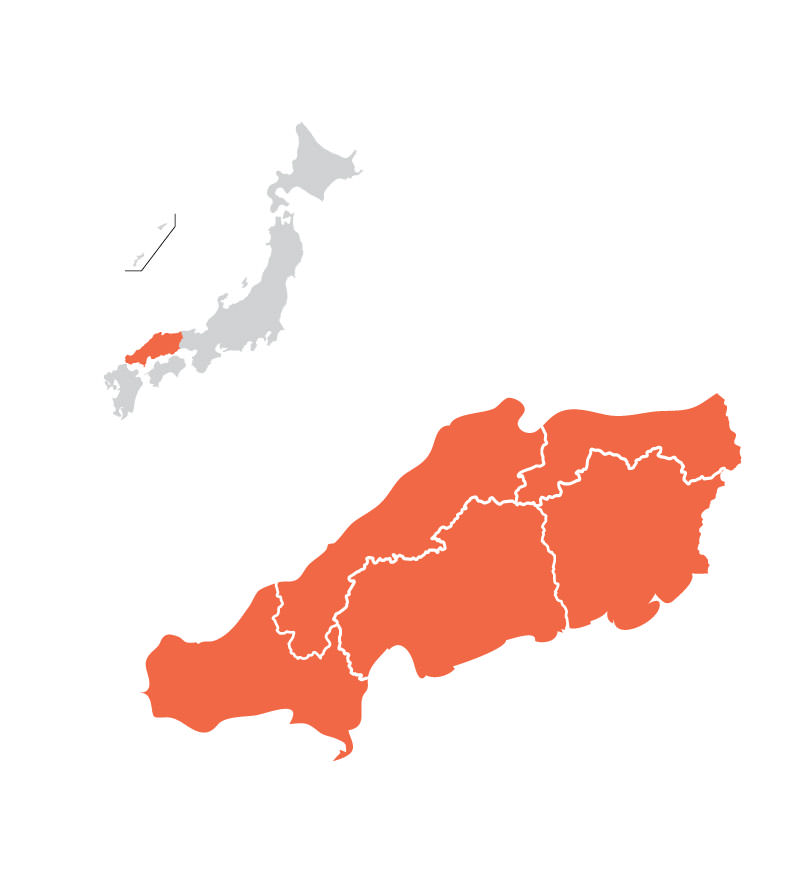
Chugoku, which literally means “central country”, has a population of approximately 7.5 million and consists of five prefectures: Hiroshima, Okayama, Shimane, Tottori, and Yamaguchi. The Chugoku region is divided into two sub regions called Sanin and Sanyo. The northern Sanin region is rural while the southern Sanyo region is more urbanized and where the majority of the population resides. Chugoku region’s “capital”, Hiroshima, is one of the most visited areas of Japan. In Japanese, Chugoku also means “China”, and therefore to avoid confusion, the Chugoku region is referred to as “Chugoku-chiho”.
Tottori Prefecture
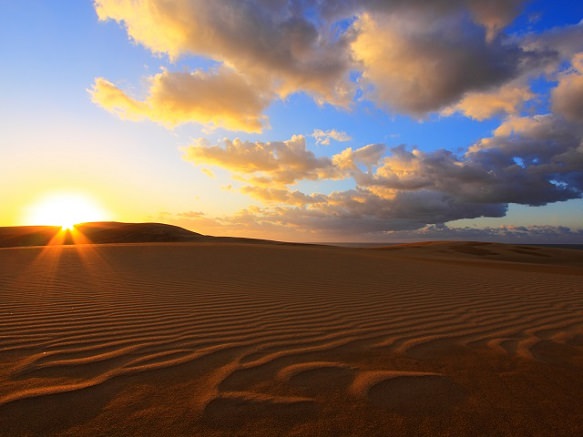
Tottori’s most visited site is its sand dunes. The sand dunes of Tottori extend over 30 square km and are the largest in Japan.
Where To Go In Tottori
- Daisen
- Hakuto Shrine
- Kurayoshi
- Misasa Onsen
- Mizuki Shigeru Road
- Ryujin-do
- Sand Museum
- Tottori Hanakairo - Flower Park
- Tottori Nijisseiki Pear Museum
- Tottori Sand Dunes
- Uradome Coast
Shimane Prefecture
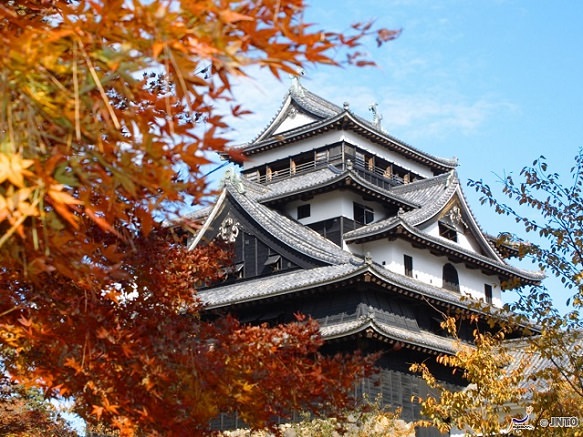
In Shimane's capital city of Matsue is Matsue Castle, one of the only few remaining original castles in Japan. Matsue is also known as a former samurai district and several former samurai residences still stand.
Where To Go In Shimane
- Adachi Museum of Art
- Izumo Taisha
- Matsue Castle
- Matsue Vogel Park
- Nima Sand Museum
- Oki Islands
- Tamatsukuri Onsen
- Tsuwano
Okayama Prefecture
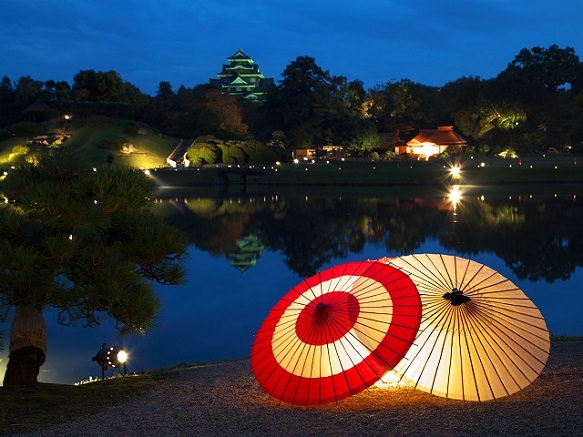
Okayama Prefecture is located in the Chugoku region and is home to the cultural, historic town of Kurashiki. Kurashiki, which roughly translates to “town of storehouses”, served as an important place of storage for the large quantities of rice that were brought into town before distribution.
Where To Go In Okayama
- Great Seto Bridge
- Hiruzen-kogen Highlands
- Kibitsu-jinja Shrine
- Korakuen Garden
- Kurashiki
- Mt. Washu-zan
- Ohara Museum
- Okayama Castle
Hiroshima Prefecture
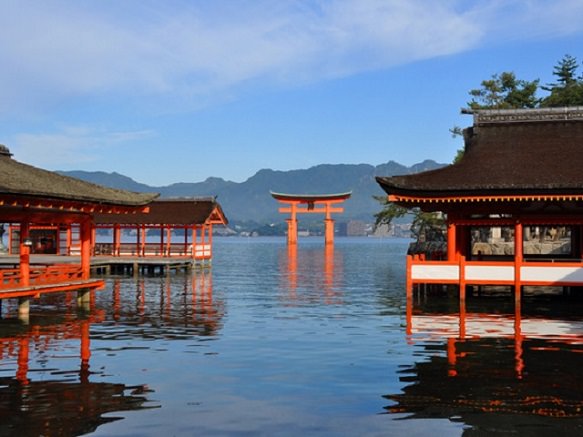
Hiroshima Prefecture has two UNESCO World Heritage sites: Atomic Dome and Itsukushima Shrine. The Atomic Dome in Hiroshima was built to symbolize its wishes for everlasting peace after the atomic bombing the city suffered.
Where To Go In Hiroshima
- Bihoku Hillside Park
- Hiroshima A-Bomb Dome
- Hiroshima Airport
- Hiroshima Electric Railway
- Hiroshima Peace Memorial Park
- Itsukushima Shrine
- Miyajima
- Okunoshima
- Setonaikai National Park
- Shukkei-en
- Tomonoura
Yamaguchi Prefecture
In Yamaguchi's capital Yamaguchi City is Rurikoji, a Buddhist temple known for its glorious five storied pagoda. It is considered one of Japan’s three greatest pagodas and is a national treasure.
Where To Go In Yamaguchi
- Akiyoshidai
- Akiyoshido
- Hagi Castle Town
- Hofu Tenman-gu
- Jam's & Garden
- Kaikyokan Aquarium
- Kanmon Bridge
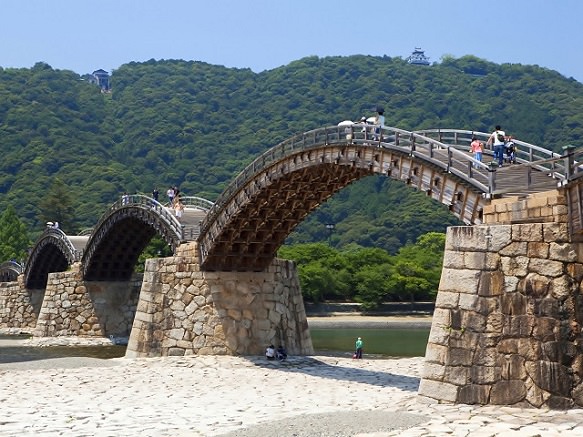
- Kintai Bridge
- Mouri Garden
- Museum of Japanese Emigration to Hawaii
- SL Yamaguchi