Tottori | Statistics
Region: Chugoku
Capital: Tottori
Population (approx.): 588,715 (2012)
Area: 1,354 sq miles
Area Rank: 41
Tottori | Destinations
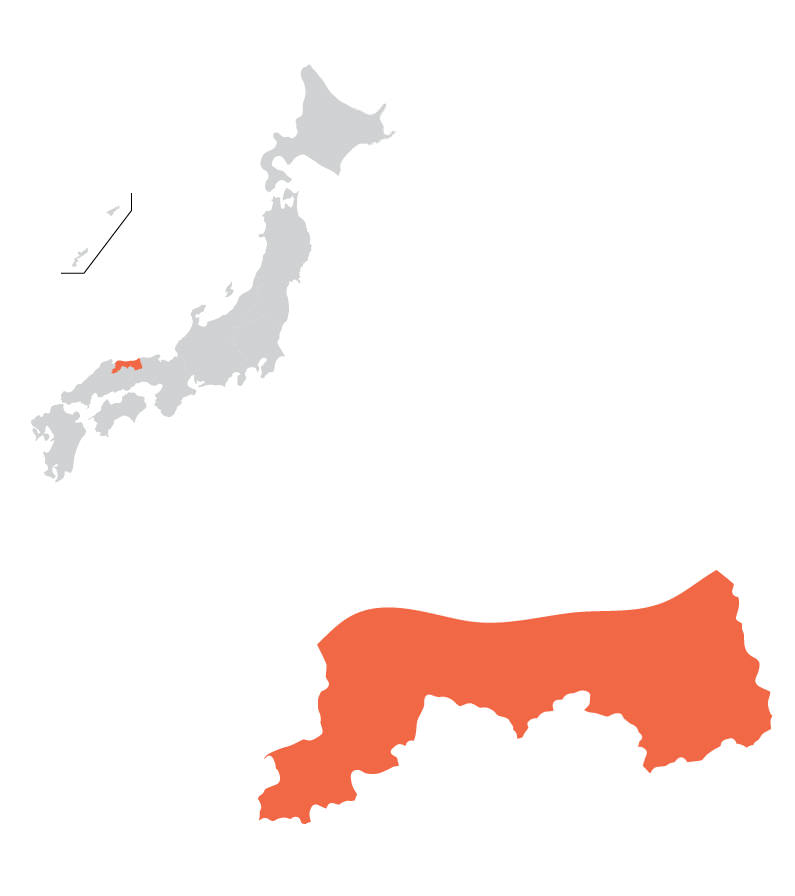
Tottori Prefecture is located in the Chugoku region and is Japan’s least populated prefecture. Tottori’s most visited site is its sand dunes. The sand dunes of Tottori extend over 30 square km and are the largest in Japan. Also in Tottori is the Kannon-in Temple, a temple of the Japanese Buddhism Tendai Sect. The peaceful garden consists of a pond with small islands representing a crane and turtle symbolizing longevity and health. Visitors can enjoy a nice cup of matcha green tea while they enjoy the beautiful view of the garden, surrounded by tall maple and pine trees.
Tottori | Local Food and Produce
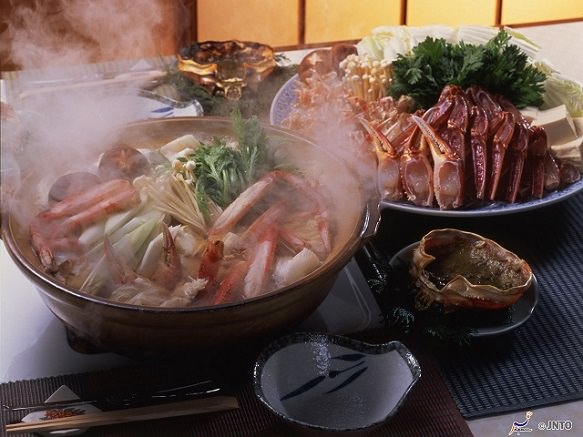
Perhaps Tottori is better known for the famous “Matsuba Gani” or Matsuba crab. Matsuba Gani are the male snow crabs and therefore are full of meat. Matsuba Gani can be enjoyed as sashimi, shabu shabu, hot pots, or grilled. Matsuba Gani have a slightly sweet, rich flavor.
Tottori is also often associated with Nijisseiki Pears. Nijisseiki Pears are known among pears for their refreshing taste and make up about 80% of the pear production in Tottori. Nijisseiki Pears are ripened on the tree and once picked, it will not ripen further delivering a nice sweet, juicy crisp every time.
Tottori | Arts and Crafts
Yumigahama Gasuri is a type of woven textile that originated in Tottori Prefecture. The unique feature of the Yumigahama Gasuri is that during its production, threads are taken from wool manually. The finished product is usually of an indigo color and has simple designs such as flowers, birds, or names. Yumigahama Gasuri produces clothes, bedding, and "noren", Japanese door curtains.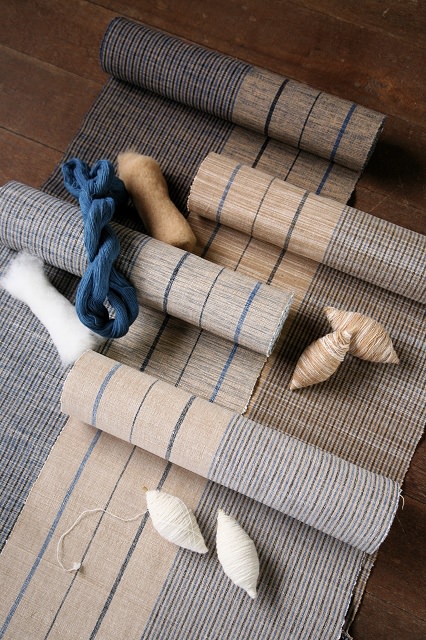
Tottori | Festivals and Events
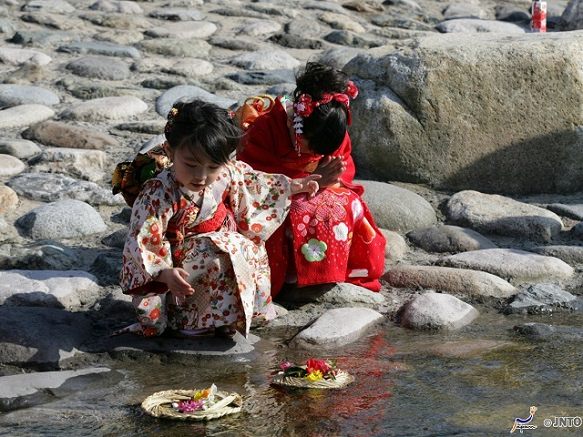
March 3rd is Doll's Day, or Girl's Day in Japan. Today most families celebrate by displaying a hina doll collection of emperor and empress dolls in their homes. In certain cities of Tottori, a different tradition is practiced called "Nagashi Bina". Nagashi Bina refers to the practice of floating paper dolls down the rivers in small boats weaved from dry straws. This practice was believed to get rid of bad fortunes and impurities.