Paintings of the Floating World
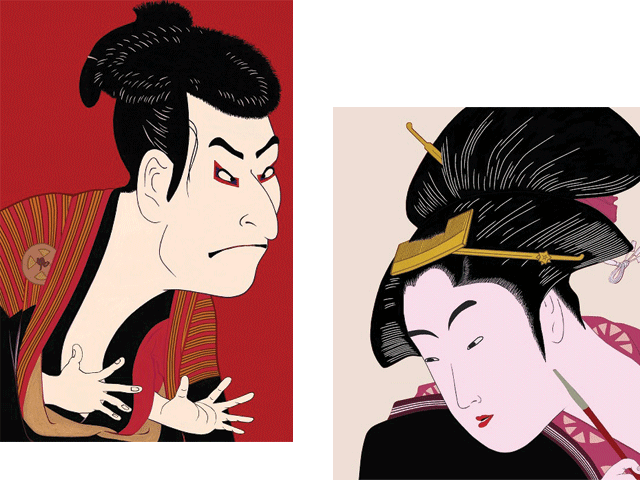
Ukiyo-e is a type of woodblock print, which originated in Japan and was most popular during the Edo period. Ukiyo-e literally translates to "paintings of the floating world" because the subjects of the paintings were often geisha, kabuki actors and sumo wrestlers, which were believed to be somewhat disconnected from real life.
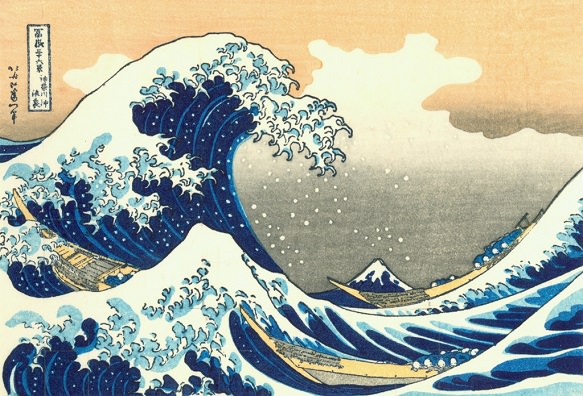
In later years, paintings of landscapes such as the famous Hokusai painting of the wave also became popular. The original ukiyo-e started as monochrome but eventually incorporated colors. These original ukiyo-e works were also much more expensive and only the rich could afford to the nature that they were handmade. With the development of woodblock printing allowing for mass production, the paintings became more easily available to the public.
Sharaku and Bijinga
As technology developed and other means of capturing art like photography took over, ukiyo-e popularity diminished. As ukiyo-e made its way to Europe though, Impressionist painters are said to have been influenced by these works. Today, works of ukiyo-e can be seen in art museums and galleries.
An example of some of the most famous Ukiyo-e prints, the image above is Hokusai's famous Great Wave off Kanagawa while the images to the right are the Sharaku and Bijinga works. Come see incredible Ukiyo-e masterpieces with Japan Deluxe Tours with our affordable range of add-on and day trips to an ukiyo-e museum in Tokyo or Kyoto before your vacation ends!